May is American Stroke Month: Could You Be at Risk?
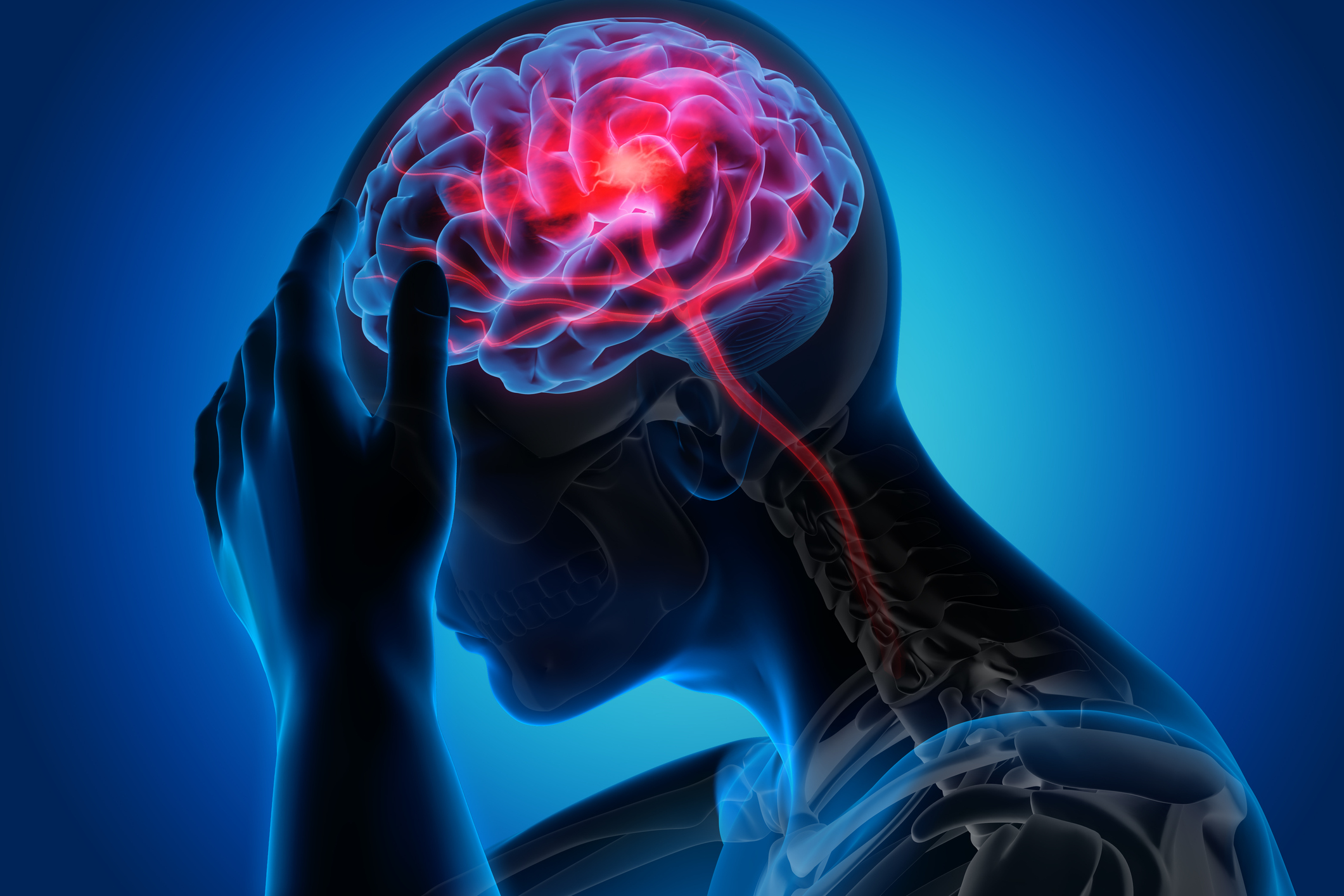
Stroke is a medical emergency that can happen anytime, anywhere. While risk of stroke increases with age, anyone can have a stroke. In the United States, a stroke occurs every 40 seconds.
Almost 800,000 strokes occur nationwide each year. Strokes happen when blood flow to the brain is stopped in some way, and brain cells are deprived of oxygen and nutrients. An ischemic stroke happens when blood flow in an artery to the brain is blocked by a clot. A hemorrhagic stroke is the result of bleeding in or around the brain due to a rupture in a blood vessel. A third occurrence, transient ischemic attack (TIA), also known as a mini-stroke, is a temporary interruption in blood flow that can be a warning sign of future stroke.
Like many medical conditions, strokes are most treatable when recognized early. Everyone should know the signs of stroke. It’s so important to get medical help as quickly as possible. BE FAST is an easy way to remember:
B – Sudden BALANCE loss
E – Sudden EYESIGHT loss
F – FACE drooping
A – ARM weakness
S – SPEECH difficulty
T – TIME to call 911
Sudden numbness or weakness in the face, arm or leg, especially on one side of the body, is a sign of stroke. Confusion and sudden severe headache are other symptoms.
According to the Centers for Disease Control and Prevention (CDC), patients who arrive at the emergency room within three hours of their first symptoms often have less disability three months after a stroke than those who delayed their care.
Stroke may be treated with tissue plasminogen activator (tPA) medications, also known as “clot buster” drugs. An interventional neuroendovascular procedure may be possible, in which tiny equipment is guided through microcatheters placed in blood vessels to open a blocked artery or repair an abnormality. But this lifesaving, brain-saving treatment can’t take place if you don’t get emergency help in a timely way.
Prevention is the best medicine, and up to 80% of strokes are preventable.
People tend to think that stroke is something that happens to senior citizens. Yet the CDC reports that strokes are happening at younger ages. There’s been an uptick in stroke hospitalizations among people ages 18-64 over the past 15 years. One reason is a corresponding increase in risk factors including obesity, high blood pressure, high blood cholesterol and diabetes.
Other risk factors include diabetes, and heart and/or vascular disease. Smoking, high stress, a sedentary lifestyle and a diet high in processed foods also add to stroke risk.
Follow these health habits to lower your risk:
- Get your blood pressure checked, and make sure your blood pressure is under control, through diet, exercise and medications. Using a home blood pressure monitor can help you track your numbers carefully.
- Eat a healthy diet that’s low in fat and high in fiber, fruits and vegetables.
- Be active – 30 minutes of activity five days a week is what’s recommended, and it can be as simple as a daily walk.
- If you have diabetes, maintain good control and take medications as recommended.
- Manage any other chronic conditions carefully with your care team, including high cholesterol.
- Stop smoking or vaping.
- If you drink alcohol, drink only in moderation.
The best way to stay on top of risk factors and preventive measures is a yearly checkup with a primary care provider.

Stay Connected
Subscribe to our newsletter for healthcare updates, events, and community news from Floyd Valley.
